
Types Of Printing Machines
Explore different types of printing machines,their applications and how to choose the right technology for your business
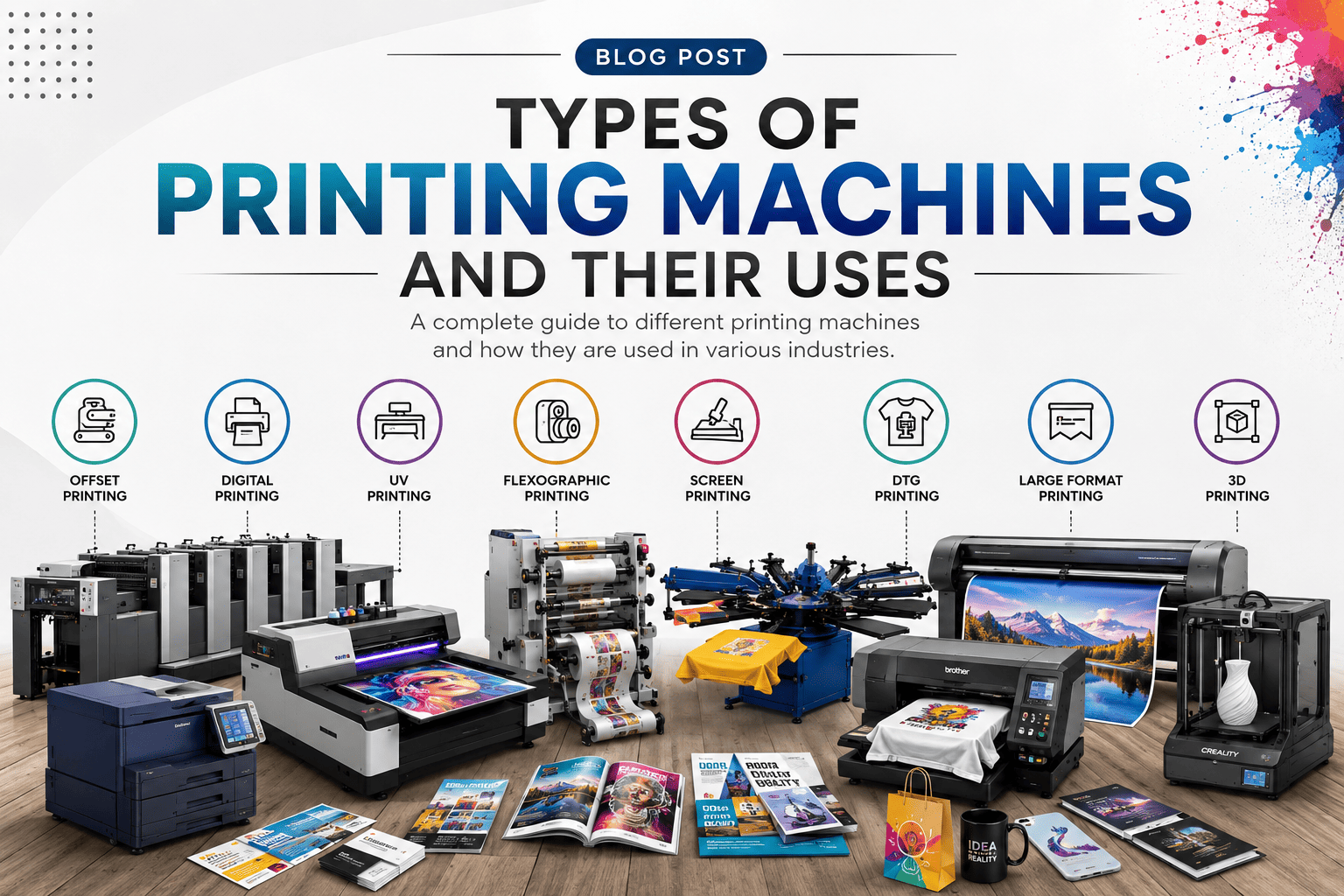
Printing technology has evolved significantly over the years. From traditional offset printing to advanced digital, UV, DTF, and 3D printing, businesses today have access to a wide range of printing machines designed for different materials, applications, production volumes, and industries.
Choosing the right printing machine is important because the machine you select can directly affect print quality, production speed, operating costs, and overall business profitability.
In this guide, we will explore the major types of printing machines and their uses, how they work, and which applications they are best suited for.
What Is a Printing Machine?
A printing machine is equipment used to transfer text, images, graphics, or designs onto a specific surface or material. Depending on the technology, printing machines can print on materials such as paper, cardboard, plastic, fabric, glass, acrylic, metal, wood, vinyl, and many other substrates.
Different printing technologies are designed for different purposes. Some machines are ideal for high-volume commercial printing, while others are better suited for customized products, packaging, textiles, signage, or industrial applications.
Printing Technology
Different Technologies for different printing
Production Process
Transform digital designs into high quality print
Printing Application
Wide range of applications across multiple industries
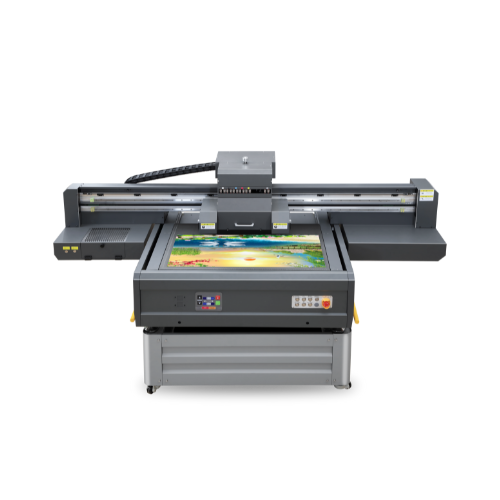
Digital Printing
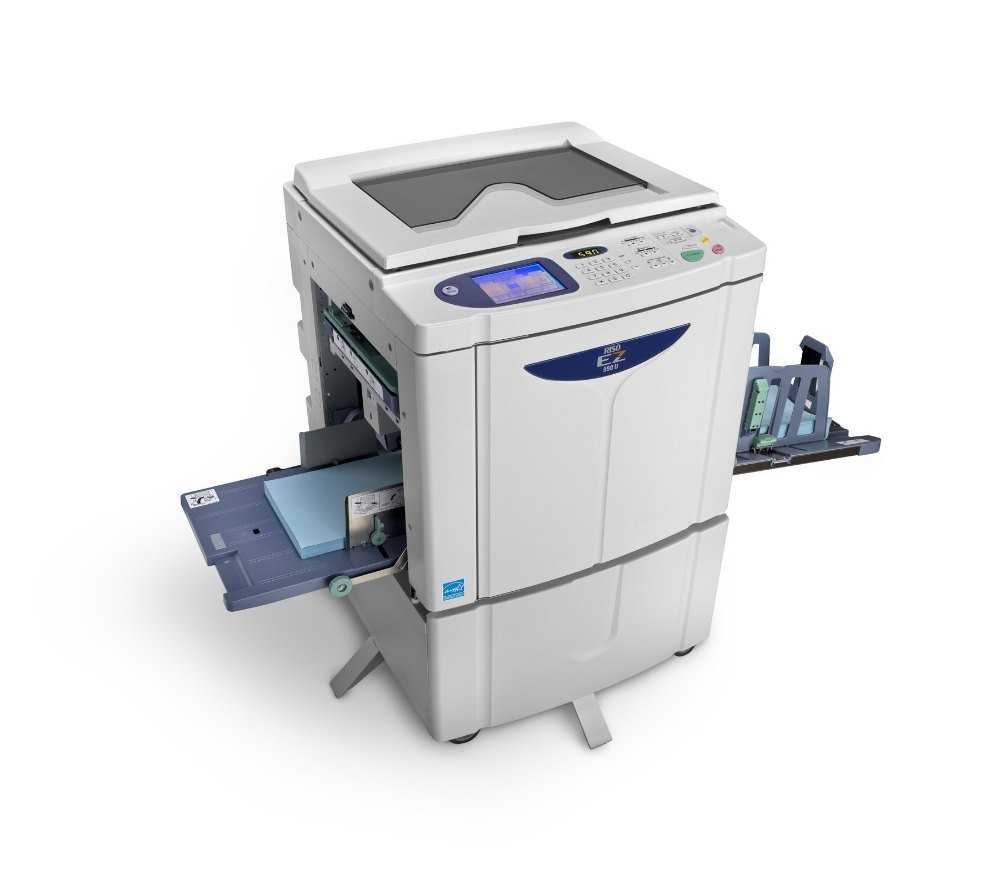
Offset Printing

UV Printing
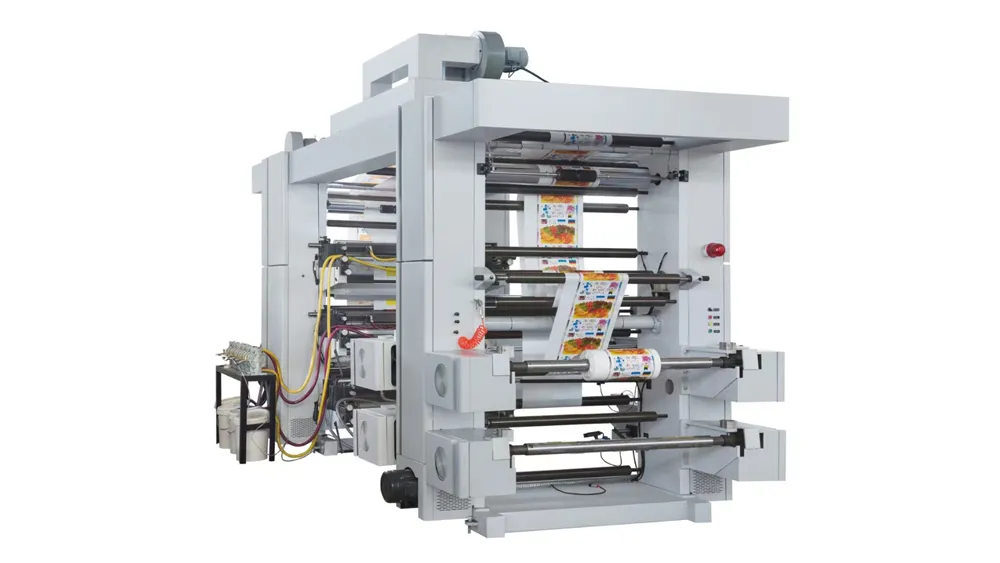
Flexographic Printing
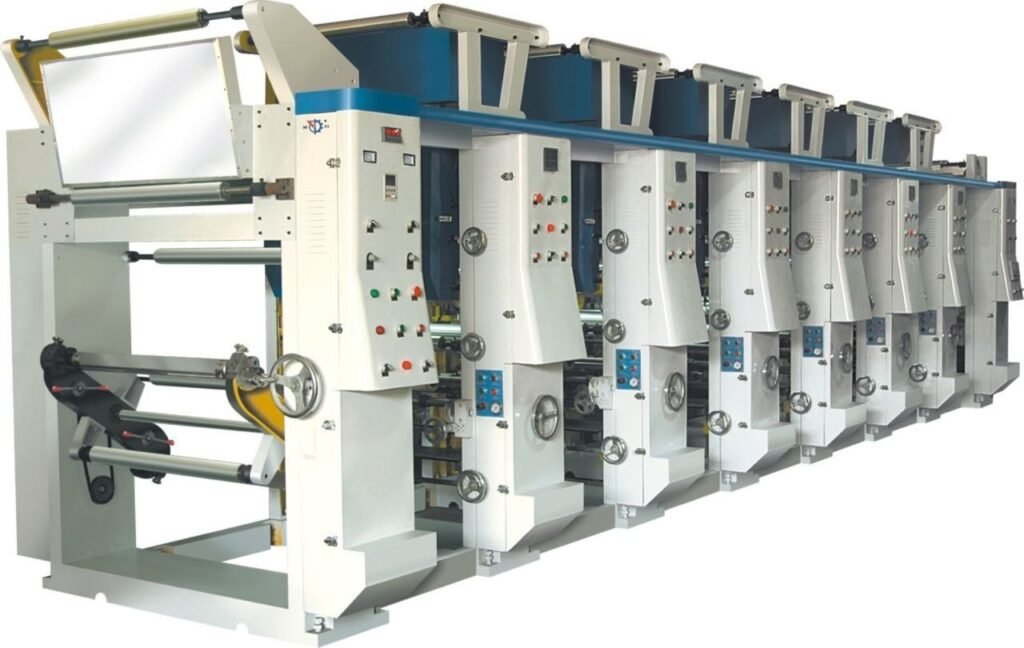
Rotogravure Printing
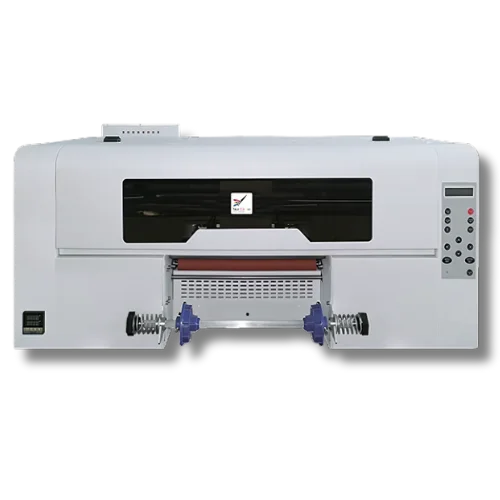
DTF Printing
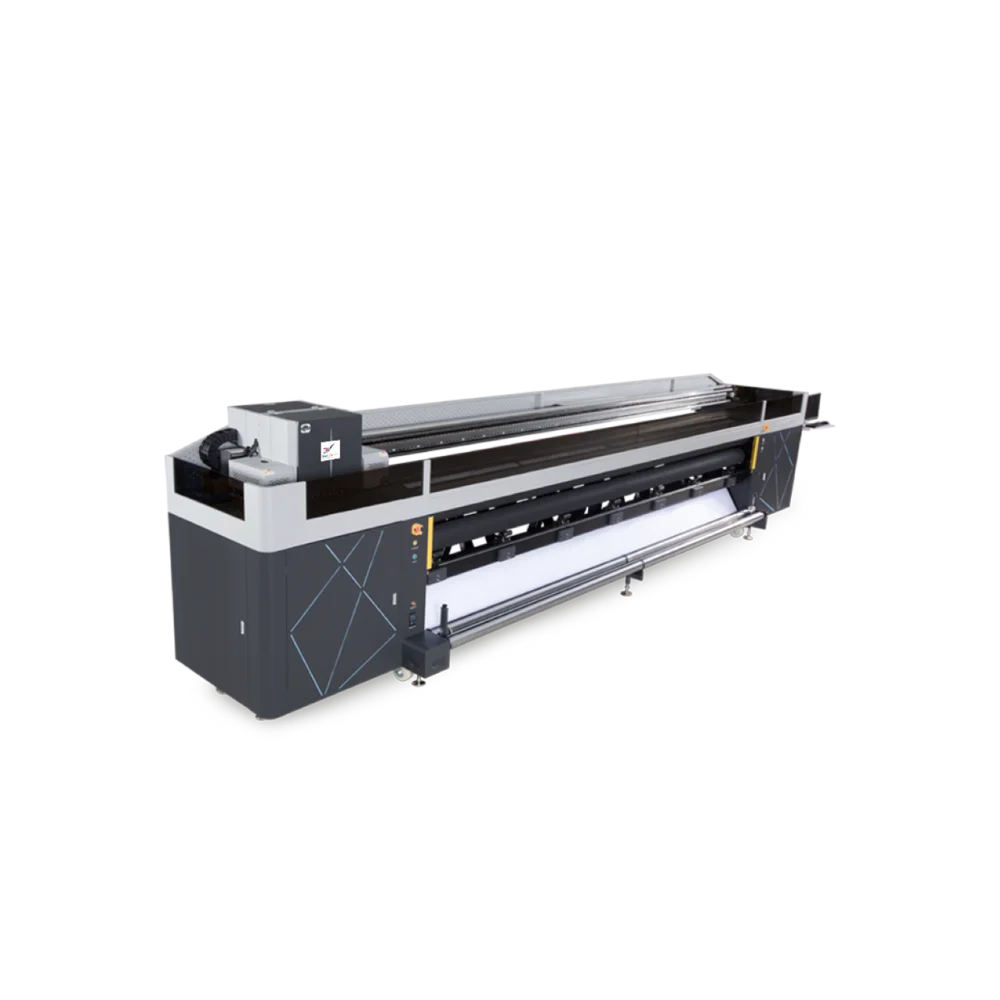
Large Format Printing
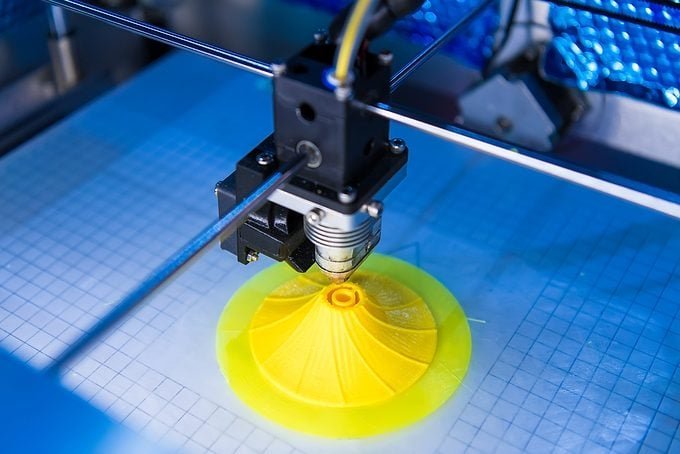
3D Printing
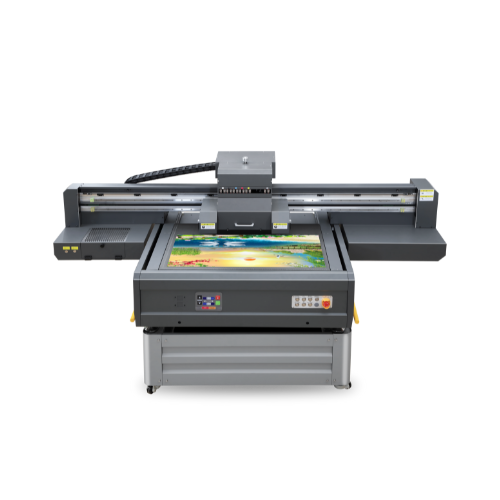
Digital Printing Machines
Digital printing machines transfer digital files directly onto the printing material without requiring traditional printing plates. This makes digital printing particularly useful for short and medium production runs.
Digital printers can produce high-quality prints quickly and allow businesses to customize individual prints without changing printing plates
Common Uses of Digital Printing
Digital printing machines are commonly used for:
- Business cards
- Brochures
- Flyers
- Posters
- Catalogues
- Invitations
- Marketing materials
- Photobooks
- Short-run commercial printing
Advantages of Digital Printing
- Fast production
- Excellent print quality
- Easy customization
- Suitable for short print runs
- Minimal setup requirements
- Variable-data printing capabilities
Digital printing is particularly suitable for businesses that frequently require customized or smaller quantities of printed materials.
Offset Printing Machines
Offset printing is one of the most established commercial printing technologies. In this process, the image is transferred from a printing plate to a rubber blanket and then onto the final printing surface.
Offset printing is highly efficient for large-volume jobs and is widely used by commercial printers.
Common Uses of Offset Printing
Offset printing machines are commonly used for:
- Newspapers
- Books
- Magazines
- Brochures
- Catalogues
- Corporate stationery
- Packaging
- Large-volume printing
Advantages of Offset Printing
- Excellent image quality
- Consistent colour reproduction
- Cost-effective for large quantities
- Suitable for various paper types
- High production efficiency
For businesses handling large printing orders, offset printing can be an economical solution because the cost per printed piece generally decreases as production volume increases.
Flexographic Printing Machines
Flexographic printing, commonly known as flexo printing, uses flexible relief plates to transfer ink onto a variety of substrates.
It is widely used in the packaging industry because it can print on flexible and non-porous materials at high speeds.
Common Uses of Flexographic Printing
Flexographic printing machines are used for:
- Plastic bags
- Packaging films
- Food packaging
- Labels
- Corrugated packaging
- Paper bags
- Flexible packaging
- Wrapping materials
Advantages of Flexographic Printing
- High-speed production
- Suitable for flexible materials
- Efficient for large production volumes
- Suitable for packaging applications
- Supports different types of inks and substrates
Flexographic printing is an important technology for manufacturers involved in flexible packaging and industrial printing.
Rotogravure Printing Machines
Rotogravure printing is a high-quality, high-volume printing process that uses engraved cylinders to transfer ink onto the printing substrate.
It is particularly suitable for long production runs where consistent quality and high-speed printing are required.
Common Uses of Rotogravure Printing
Rotogravure machines are commonly used for:
- Flexible packaging
- Laminated films
- Decorative materials
- Food packaging
- High-volume packaging
- Plastic films
- Product packaging
Advantages of Rotogravure Printing
- Excellent image quality
- Consistent printing
- High production speed
- Suitable for long production runs
- Excellent colour reproduction
The technology is particularly valuable for large-scale packaging manufacturers.
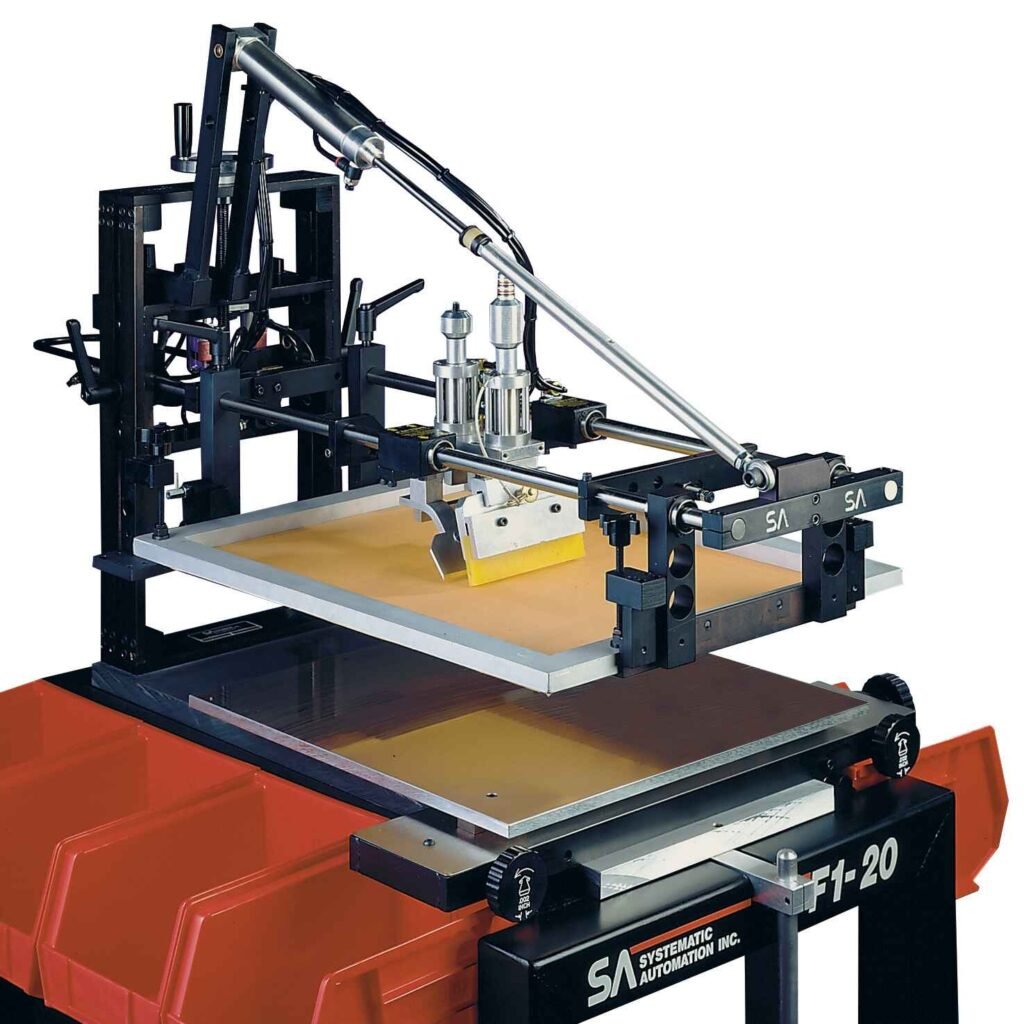
Screen Printing Machines
Screen printing is a versatile printing process in which ink is pushed through a specially prepared mesh screen onto the printing surface.
It can be used on a wide variety of materials and is popular in textile, promotional-product, signage, and industrial applications.
Common Uses of Screen Printing
Screen printing machines are used for:
- T-shirts
- Textiles
- Bags
- Promotional products
- Glass
- Plastic products
- Metal surfaces
- Signboards
- Industrial components
Advantages of Screen Printing
- Suitable for many materials
- Durable prints
- Vibrant colours
- Suitable for thick ink deposits
- Useful for both commercial and industrial applications
Screen printing remains a popular choice where durability and strong colour output are important.
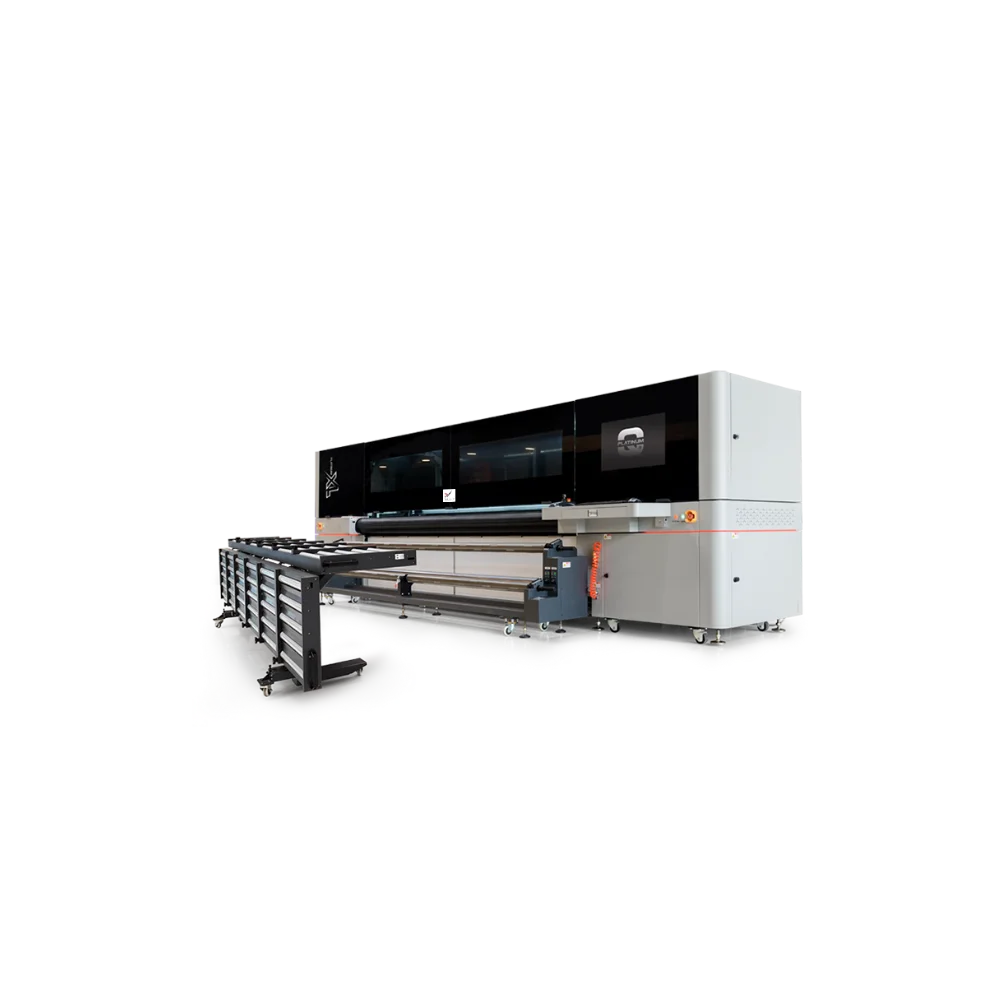
UV Printing Machines
UV printing machines use ultraviolet light to cure specially formulated UV ink immediately after it is printed.
One of the biggest advantages of UV printing is its ability to print directly onto a wide range of rigid and flexible materials.
Common Uses of UV Printing
UV printers can be used for:
- Acrylic
- Wood
- Glass
- Metal
- PVC
- Plastic
- Signage
- Promotional products
- Decorative panels
- Industrial printing
Advantages of UV Printing
- Fast ink curing
- High-resolution printing
- Suitable for rigid materials
- Excellent colour output
- Durable prints
- Wide range of applications
UV printing is particularly useful for businesses involved in signage, interior décor, customized products, and promotional products.
DTF Printing Machines
DTF stands for Direct-to-Film printing. In this process, the design is printed onto a special film and then transferred onto fabric using a heat press.
DTF printing has become increasingly popular in customized apparel because it can produce detailed and colourful designs on a variety of garments.
Common Uses of DTF Printing
DTF machines are commonly used for:
- T-shirts
- Hoodies
- Bags
- Caps
- Uniforms
- Custom apparel
- Promotional clothing
- Personalized garments
Advantages of DTF Printing
- Excellent colour reproduction
- Suitable for small and large orders
- Supports detailed designs
- Works with many fabric types
- Suitable for customized apparel
DTF printing is a popular option for businesses entering the custom T-shirt and apparel printing market.
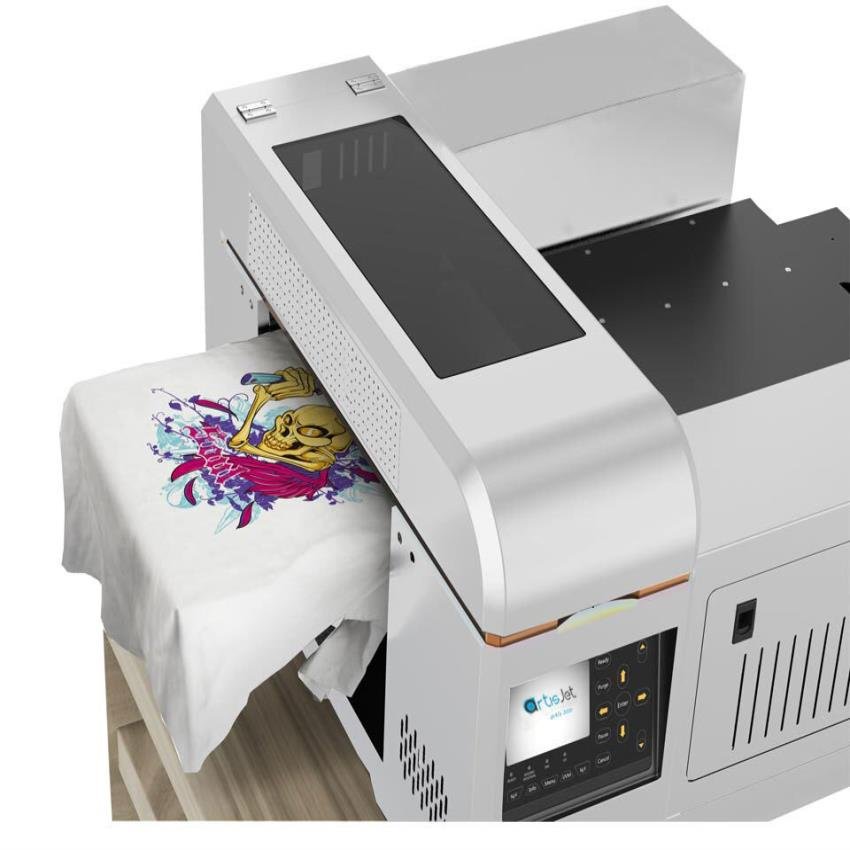
DTG Printing Machines
DTG stands for Direct-to-Garment printing. Unlike DTF, DTG printers apply ink directly onto the garment.
This technology is particularly useful for producing highly detailed designs and customized apparel in smaller quantities.
Common Uses of DTG Printing
DTG printers are commonly used for:
- Custom T-shirts
- Cotton garments
- Personalized clothing
- Fashion apparel
- Small-batch garment production
- Customized merchandise
Advantages of DTG Printing
- Direct printing onto garments
- High-quality detailed images
- Excellent for customization
- Suitable for small production runs
- No transfer film required
DTG is particularly useful for businesses that focus on personalized cotton apparel and on-demand garment printing.
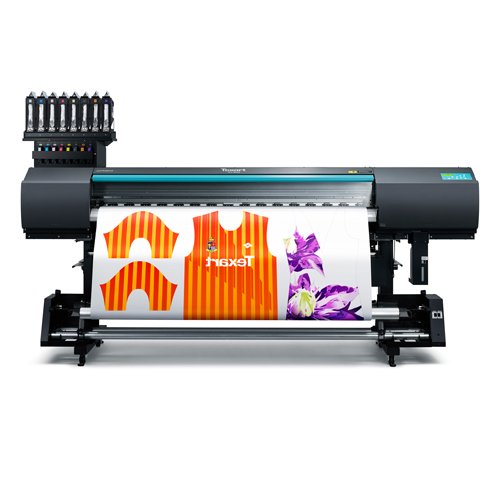
Sublimation Printing Machines
Sublimation printing uses heat to transfer dye into suitable polyester-based materials. The process creates vibrant and long-lasting designs when used with compatible substrates.
It is widely used for personalized merchandise and sportswear.
Common Uses of Sublimation Printing
Sublimation machines are used for:
- Polyester garments
- Sportswear
- Mugs
- Keychains
- Phone covers
- Cushions
- Mouse pads
- Promotional merchandise
Advantages of Sublimation Printing
- Vibrant colours
- Long-lasting prints
- Suitable for customized products
- Excellent for polyester materials
- Useful for promotional merchandise
Sublimation printing is a popular choice for businesses producing customized gifts, merchandise, and polyester apparel.
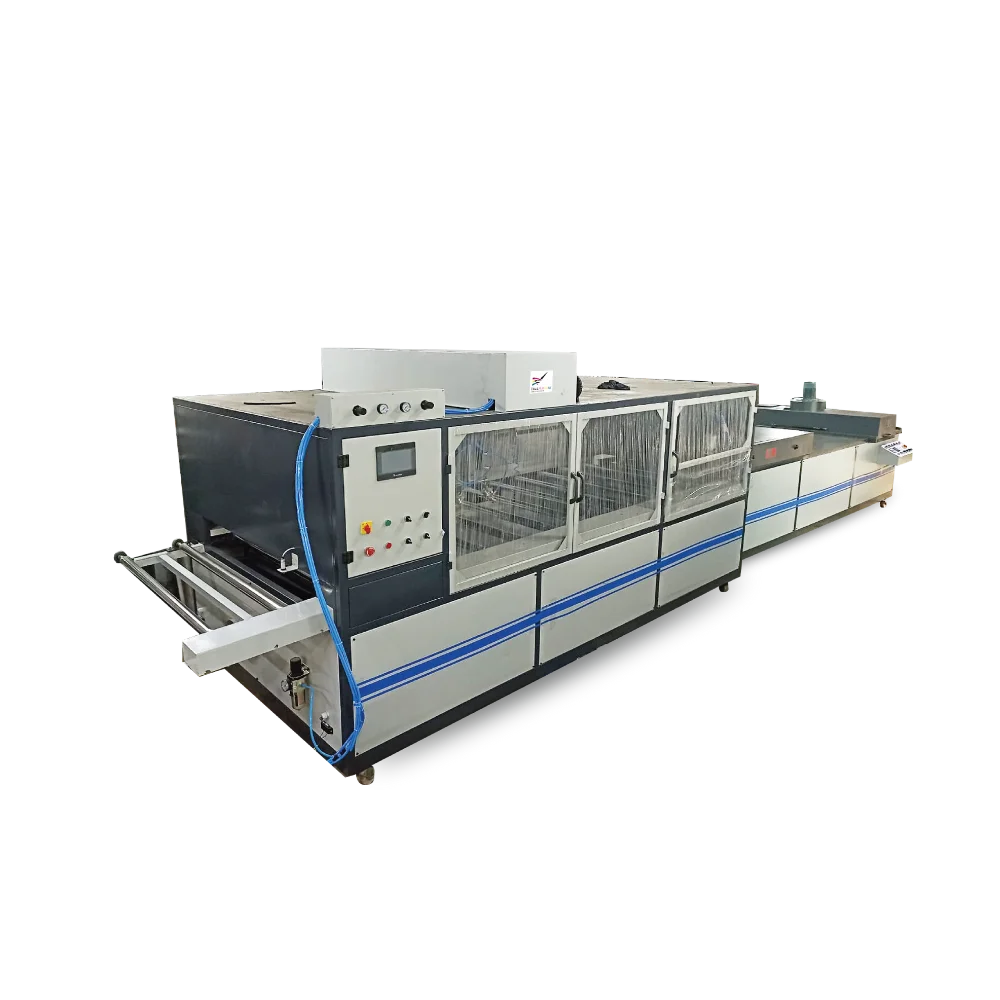
Large-Format Printing Machines
Large-format printers are designed to produce oversized graphics and high-quality prints for advertising, branding, signage, and display applications.
These machines can print on materials such as vinyl, fabric, paper, and other flexible media.
Common Uses of Large-Format Printing
Large-format printers are commonly used for:
- Banners
- Hoardings
- Posters
- Wall graphics
- Vehicle graphics
- Retail signage
- Event displays
- Outdoor advertising
Advantages of Large-Format Printing
- Large printing area
- High-quality graphics
- Suitable for advertising
- Supports different media
- Ideal for indoor and outdoor applications
Large-format printing is an important technology for advertising agencies, sign manufacturers, event companies, and branding businesses.
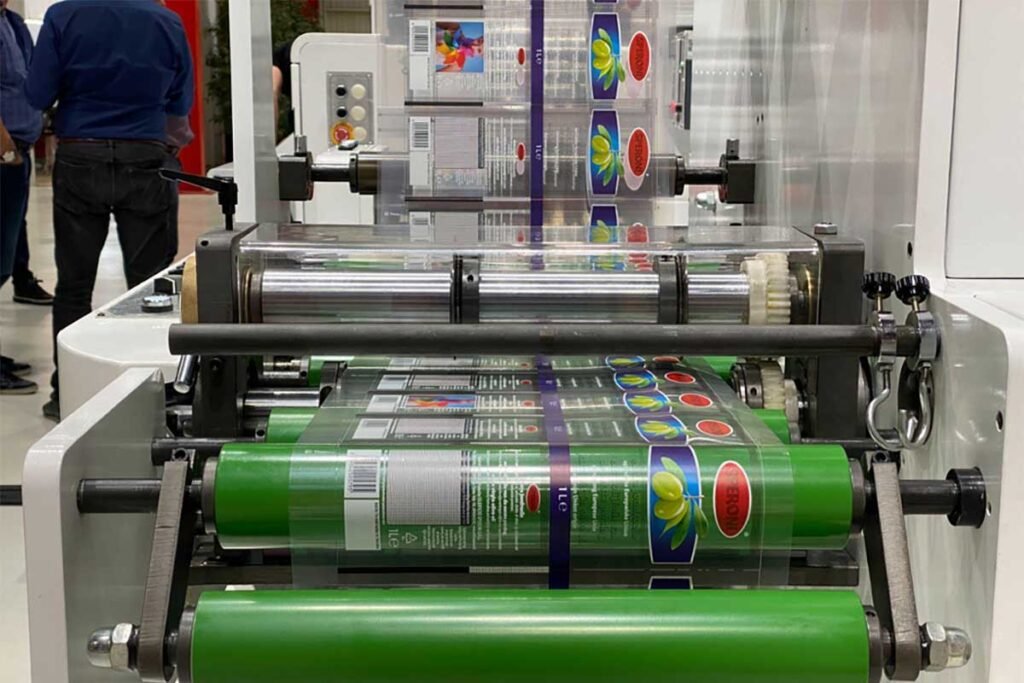
Label Printing Machines
Label printing machines are specially designed to produce product labels, barcode labels, shipping labels, and packaging labels.
Modern label printers are available in different configurations depending on production volume, label material, print quality, and application.
Common Uses of Label Printing Machines
They are used for:
- Product labels
- Barcode labels
- Shipping labels
- Packaging labels
- Retail labels
- Pharmaceutical labels
- Food labels
- Industrial labels
Advantages of Label Printing Machines
- Fast label production
- Consistent quality
- Suitable for customized labels
- Supports different label materials
- Useful for businesses of different sizes
Label printing is essential for product identification, branding, logistics, inventory management, and packaging.
3D Printing Machines
3D printing is different from conventional printing because it creates three-dimensional objects layer by layer from a digital model.
It has applications across manufacturing, engineering, product development, healthcare, architecture, education, and other industries.
Common Uses of 3D Printing
3D printers are used for:
- Prototypes
- Product models
- Industrial components
- Architectural models
- Customized parts
- Product development
- Engineering models
- Educational projects
Advantages of 3D Printing
- Rapid prototyping
- Customized production
- Reduced material waste in many applications
- Complex designs can be produced
- Useful for product development
3D printing is increasingly becoming an important tool for businesses looking to develop, test, and customize products.
Printing Machine Comparison
Choosing between different printing technologies becomes easier when you compare their primary applications.
| Printing Machine | Best Suited For | Common Materials |
|---|---|---|
| Digital Printing | Short & medium runs | Paper, cardstock, synthetic media |
| Offset Printing | High-volume commercial printing | Paper, cardboard |
| Flexographic Printing | Packaging | Plastic films, paper, corrugated materials |
| Rotogravure Printing | High-volume packaging | Films, laminates |
| Screen Printing | Apparel & industrial applications | Fabric, glass, plastic, metal |
| UV Printing | Rigid & specialty products | Acrylic, wood, glass, PVC, metal |
| DTF Printing | Custom apparel | T-shirts, hoodies, bags |
| DTG Printing | Direct garment printing | Cotton garments |
| Sublimation Printing | Customized merchandise | Polyester, coated products |
| Large-Format Printing | Advertising & signage | Vinyl, fabric, paper |
| Label Printing | Product & packaging labels | Paper, films, synthetic labels |
| 3D Printing | Prototyping & manufacturing | Various 3D-printing materials |
How to Choose the Right Printing Machine?
Frequently Asked Questions
What are the main types of printing machines?
Which printing machine is best for T-shirt printing?
Which printing machine is best for bulk printing?
Which printing machine is best for packaging?
Is UV printing suitable for acrylic and glass?
What is DTF printing?
Conclusion
The printing industry offers a wide range of technologies, and each type of printing machine has its own applications, advantages, and limitations.
Digital and offset machines are widely used for paper-based commercial printing, while flexographic and rotogravure machines are important for packaging. UV printers are suitable for specialty and rigid materials, DTF, DTG, and sublimation machines are popular for customized apparel and merchandise, large-format printers are used for advertising and signage, label printers support product and packaging requirements, and 3D printers enable rapid prototyping and three-dimensional manufacturing.
The right machine ultimately depends on your material, printing volume, required quality, budget, production speed, and business objectives.
If you are researching printing equipment, comparing technologies before making an investment can help you select a solution that matches your current requirements while supporting future growth.
Explore printing machines, manufacturers, suppliers, and printing solutions on IndiaPrinters.in.